Let’s be honest — when someone says “AI brand strategy,” half the room gets excited and the other half gets nervous. And both reactions make perfect sense. AI tools are writing copy, generating logos, and even drafting brand guidelines faster than ever before. But can they actually understand what makes your brand… yours?
The truth is more nuanced than the hype. A recent Gartner study found that 65% of marketing leaders say they’re already using AI in some form, yet only 12% feel confident their brand voice remains consistent across AI-assisted channels. That’s the gap we’re diving into today.
So let’s cut through the noise and talk about what AI can genuinely do for your brand — and where it completely falls apart. Because the brands winning in 2024 aren’t choosing between human and machine. They’re figuring out how to make them work together.
The Promise and Pitfalls of AI in Brand Building
Why brands are turning to AI for strategy help
Let’s be honest — the appeal is obvious. AI doesn’t sleep, doesn’t complain about tight deadlines, and can generate a hundred logo concepts before you’ve finished your second cup of coffee. Marketers are jumping on board fast. According to HubSpot’s 2024 State of Marketing Report, 67% of marketers are already using AI for content creation. The promise of scaling brand output without scaling the team is just too good to ignore.
What ‘understanding a brand’ actually means
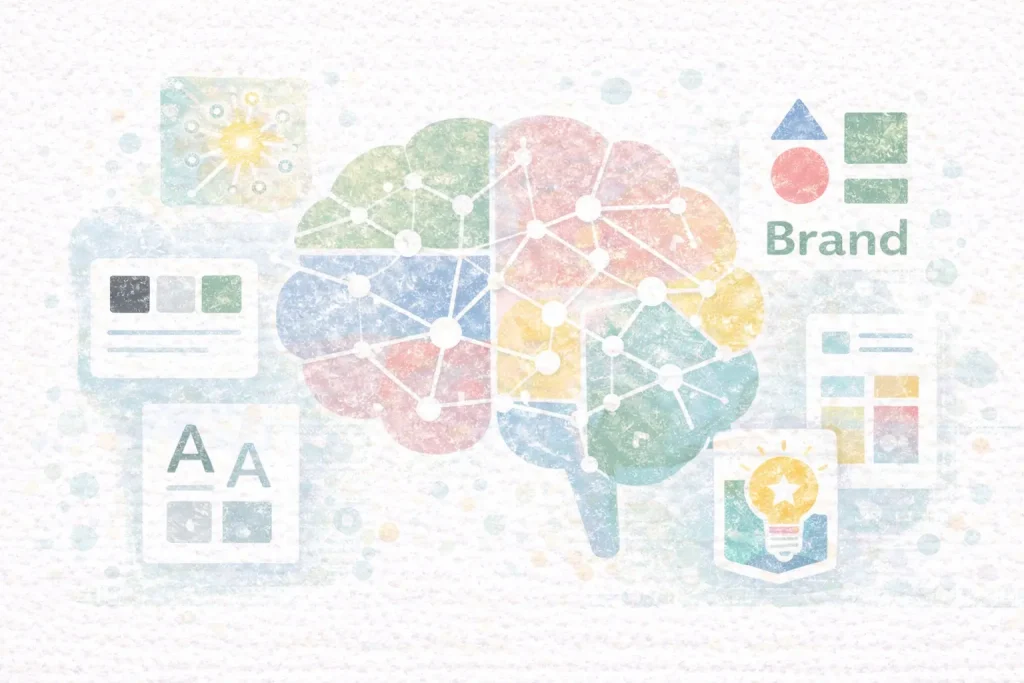
But here’s where things get tricky. When we say a brand “understands” something, we’re talking about something deeply human. It’s the emotional fingerprint — the way your brand makes people feel when they see your packaging, the inside jokes your community shares, the cultural moments it responds to (or deliberately skips). These are the threads that turn a logo into a relationship.
The gap between AI capabilities and brand nuance
Here’s the uncomfortable truth: AI can process massive amounts of data and spot patterns humans would miss. But it can’t feel. It doesn’t understand why a certain shade of blue makes your customers trust you more, or why your brand voice needs to sound different when you’re talking to developers versus moms. The result? A recent Gartner study found that only 12% of marketing leaders feel confident their brand voice remains consistent across AI-assisted channels. That’s not a technology problem — it’s a understanding problem.
What AI Can Actually Do for Your Brand
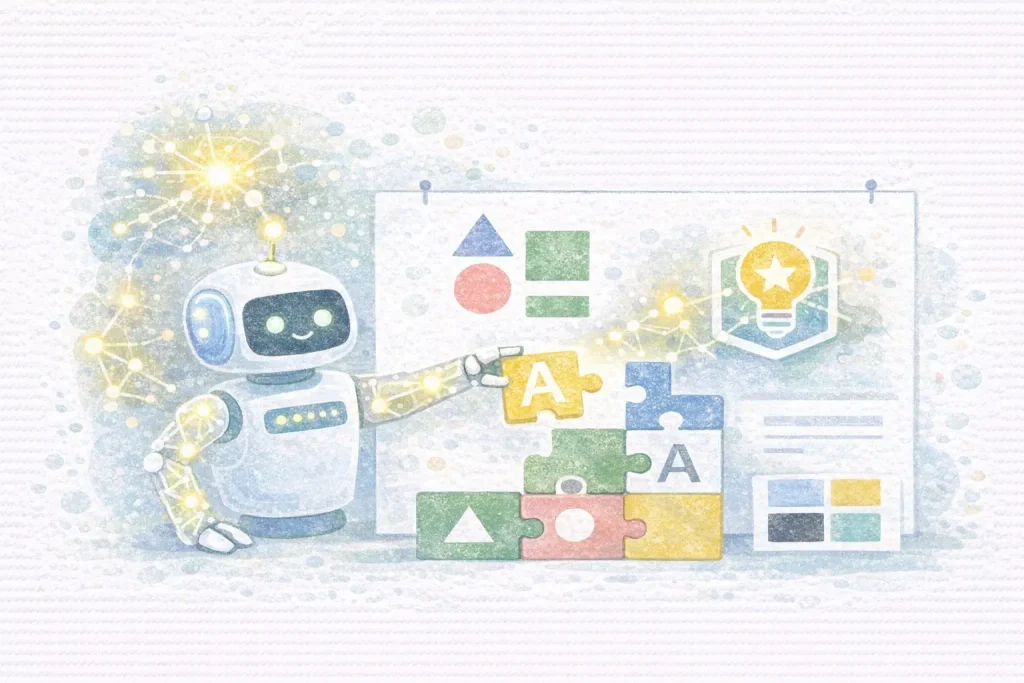
So if AI can’t feel, what CAN it do? The answer: plenty — just not the things that make your brand yours. AI thrives on the heavy lifting that eats up your team’s time.
Analyzing customer data at scale
Humans can reasonably process a few hundred customer reviews. AI can analyze millions. According to IBM, we create 2.5 quintillion bytes of data every day — that’s overwhelming for any human team. AI tools can sift through customer feedback across social media, support tickets, and surveys to identify sentiment patterns, emerging concerns, and emerging desires. Spotting that your customers are suddenly using the word “frustrated” more often with a specific feature? That’s AI’s bread and butter.
Generating design variations and copy drafts
Need 50 logo concepts based on specific parameters? Want A/B test copy that hits certain word counts and emotional triggers? AI can generate variations in minutes that would take designers hours to produce. It’s not replacement — it’s acceleration. Your team decides what feels right; AI handles the exploration.
Identifying patterns in brand performance
AI excels at finding correlations hidden in your metrics. It might notice that your brand performs strongest on Tuesdays when you pair visual content with a specific tone — patterns that would take months to emerge through manual analysis. These insights let your team make strategic decisions faster.
The Brand Elements AI Can’t Wrap Its Head Around
Here’s where things get interesting — and where human creativity remains untouchable. AI can analyze what your brand does and how it performs, but the deeper layers of brand meaning? That’s still uniquely human territory.
The ‘why’ behind your brand’s existence
Every enduring brand has a purpose that goes beyond selling products or services. Simon Sinek made “Start With Why” famous, but teaching that concept to AI is another matter. Your brand’s reason for existing — the core belief that drives every decision — comes from lived experience, founder vision, and market context that AI can describe but never truly understand. It can’t feel why your company gets out of bed each morning.
Cultural context and emotional resonance
Here’s a number that stops us in our tracks: 82% of consumers say they want to feel an emotional connection to the brands they buy from. That’s according to Capgemini’s research on emotional loyalty. AI can measure engagement metrics and predict purchasing behavior, but it can’t manufacture the intangible spark that makes someone feel seen, understood, or inspired by your brand. Cultural timing, social movements, and collective mood shifts require human intuition to navigate authentically.
Uniqueness that defies data patterns
What makes Apple feel different from other tech companies? That’s the “je ne sais quoi” — the undefinable quality that no algorithm can replicate. It’s the result of decades of design philosophy, Steve Jobs’ perfectionism, and a specific point in cultural history when simplicity became revolutionary. AI can identify what worked before, but it can’t invent that magic from scratch. The brands that break through are the ones that do something unexpected — and unexpected, by definition, means there’s no data trail to follow.

Building an Effective AI Brand Strategy
Here’s the truth: AI won’t replace your brand strategy—but it can make you a better strategist. The key is knowing where AI adds value and where it needs a human in the driver’s seat.
Using AI as a co-pilot, not the captain
Think of AI as your most eager intern—brilliant at processing information, generating options, and handling repetitive tasks, but still looking to you for direction. The most effective AI brand strategy positions AI to handle execution: drafting copy variations, analyzing competitor positioning, synthesizing customer feedback, and identifying patterns in data. Meanwhile, you make the strategic calls that require context, judgment, and creative vision.
Training AI on the right brand inputs
Garbage in, garbage out applies double to brand work. The quality of your AI outputs depends entirely on what you feed it. Before asking AI to help with your brand, gather your brand guidelines, voice documentation, customer personas, and examples of on-brand and off-brand content. This context becomes the foundation for effective prompt engineering. Research shows that detailed prompts produce significantly better results—a 2024 MIT study found that well-structured prompts improved AI output quality by up to 40%.
Balancing automation with human oversight
Every AI output needs a human review before it goes live. AI can generate dozens of headline options in seconds, but only a human can determine which one captures your brand’s specific tone and resonates with your particular audience. The sweet spot? AI’s speed and scale combined with human judgment for final decisions.
Real Results: Where AI Brand Strategy Works (and Where It Doesn’t)
Success stories: personalization at scale
Netflix’s recommendation engine is often cited as the gold standard for AI-driven personalization. By analyzing viewing patterns, Netflix delivers 35% of all viewer choices through its algorithm—saving the company an estimated $1 billion annually in customer retention. The system works because it operates within clear parameters: optimize for engagement, test constantly, and let humans make the final creative calls on artwork and content. Spotify uses a similar approach with its “Discover Weekly” playlists, combining AI analysis with human-curated elements to create something that feels genuinely personalized rather than robotic.
Cautionary tales: when AI missed the mark
Not every AI brand play ends in success. When Air Canada deployed an AI chatbot to handle customer service queries, it confidently provided incorrect refund policies—leading to public backlash and regulatory scrutiny. The chatbot wasn’t lying; it was confidently wrong, and the brand suffered the consequences. Similarly, several brands have released AI-generated imagery that felt culturally tone-deaf or visually uncanny, damaging brand trust in seconds. These failures share a common thread: organizations treated AI as a replacement for human judgment rather than a tool enhanced by it.
The hybrid approach that wins
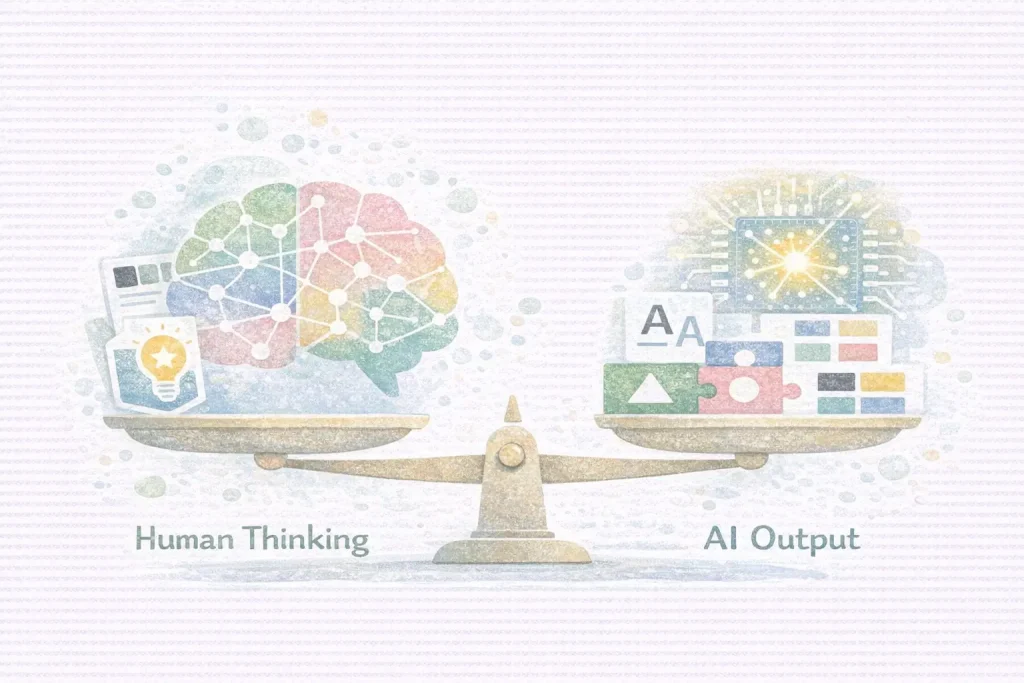
The pattern is clear—AI excels at execution and optimization, but strategy and creative direction still need human leadership. The brands winning with AI use it to handle the heavy lifting: data analysis, personalization at scale, rapid iteration. Meanwhile, humans stay in the loop for decisions that shape brand perception. This hybrid model is exactly how we approach AI brand strategy at Align—combining powerful automation with strategic thinking to build brands that scale without losing their soul.
The Future: Where AI Brand Strategy Is Heading
Emerging AI capabilities in brand intelligence
The AI tools available to brands today barely hint at what’s coming. Multimodal AI—systems that process text, images, audio, and video simultaneously—is already reshaping how brands analyze customer sentiment and create content at scale. We’re seeing early versions of predictive brand analytics that can forecast how design choices or messaging shifts might impact brand perception months down the line. According to Gartner, by 2026, 80% of enterprise applications will embed AI capabilities, up from less than 10% in 2023—meaning brand intelligence tools will become standard infrastructure rather than experimental add-ons.
What still requires the human touch
Despite AI’s rapid evolution, certain brand elements remain distinctly human territory. Your brand’s core vision—the north star that guides every decision—comes from lived experience, cultural understanding, and strategic intuition no algorithm can replicate. Values-driven storytelling that resonates on a human level, the ability to navigate crisis moments with authenticity, and the creative leaps that define category-defining brands… these are fundamentally human endeavors. AI will get better at understanding context, but it won’t replace the human capacity for meaning-making.
How to prepare your brand for AI evolution
The brands that thrive won’t wait for the future to arrive—they’ll build their AI-ready foundation now. Start by documenting your brand’s voice, values, and visual identity in ways AI can actually understand. Audit your data infrastructure. Train your team to collaborate with AI tools rather than fear them. The organizations treating AI as a strategic partner today will be the ones setting brand standards tomorrow. Ready to start building that foundation? Let’s talk.
Conclusion
The future of branding isn’t about choosing between human creativity and AI efficiency—it’s about strategic integration. Brands that document their values, train their teams, and build robust data foundations will be positioned to leverage AI as a powerful partner in brand building. The question isn’t whether AI can understand your brand—it’s whether you’ve done the human work to give it something meaningful to understand. Start that work now, and your brand will be ready for whatever AI evolution comes next.
Ready to Build a Brand Strategy That Works With AI?
At Align, we specialize in UX/UI design, branding, and web design—helping brands create the strong foundation that AI tools can then amplify. We’ll help you define your brand’s voice, values, and visual identity in ways that both humans and AI can understand. Because the best AI brand strategy starts with a brand that’s worth understanding in the first place.
Let’s build something great together. Visit Align.vn to see how we can help.