Brands are dynamic, and they really shouldn’t be. Customers change, markets change, trends change quickly, and even well-established companies may begin to appear out of date if their brand does not adapt. This is why the discussion of rebranding and brand refresh is so important. Sometimes all a company needs to feel modern again is a visual makeover. In other cases, a deeper reset is required to align with a new direction.
This is where a lot of businesses get stuck. They are aware that something is “off,” but they are unsure if they require a minor adjustment or a complete makeover. And that decision is important. According to a highly regarded Lucidpress (now Marq) brand consistency report, a consistent brand presentation can boost sales by 10% to 20%. Put differently, branding is more than just appearance; it has a direct impact on how customers recognize, trust, and purchase from your company. Therefore, choosing between a brand refresh and a rebrand should be done carefully and without emotion.
This guide will help you recognize the differences, steer clear of typical pitfalls, and select the most sensible course of action whether your company is expanding, changing, or just feeling stagnant.
What’s the Main Difference in Brand Refresh vs Rebrand?
1. Brand Refresh: Modernizes Your Look
A brand refresh is an evolution. It means that your core brand identity is still strong, but the way it is shown needs to be better. Your visuals might look old. Your website may look older than those of your competitors. Your messages might not be as clear or well-written as they should be. In these cases, the brand’s foundation isn’t the problem, it’s how the brand is being shown.
A brand refresh usually keeps the basic idea of the business the same but makes the details better. That could mean changing the logo, colors, fonts, brand messaging, visual assets, or making the website look and feel more modern and consistent.
The best thing about refreshing your brand is that it makes your business feel new without losing the trust and recognition you’ve already built. It’s a good idea to change your presentation when your audience still knows who you are but it doesn’t show how good your business is anymore.
A good example is Mastercard. In 2019, Mastercard announced that it was dropping its name from its brand mark in select contexts, allowing its iconic interlocking red and yellow circles to stand on their own. The company described it as a move toward modern simplicity in a more digital environment, while still keeping the familiar brand equity people already recognized.
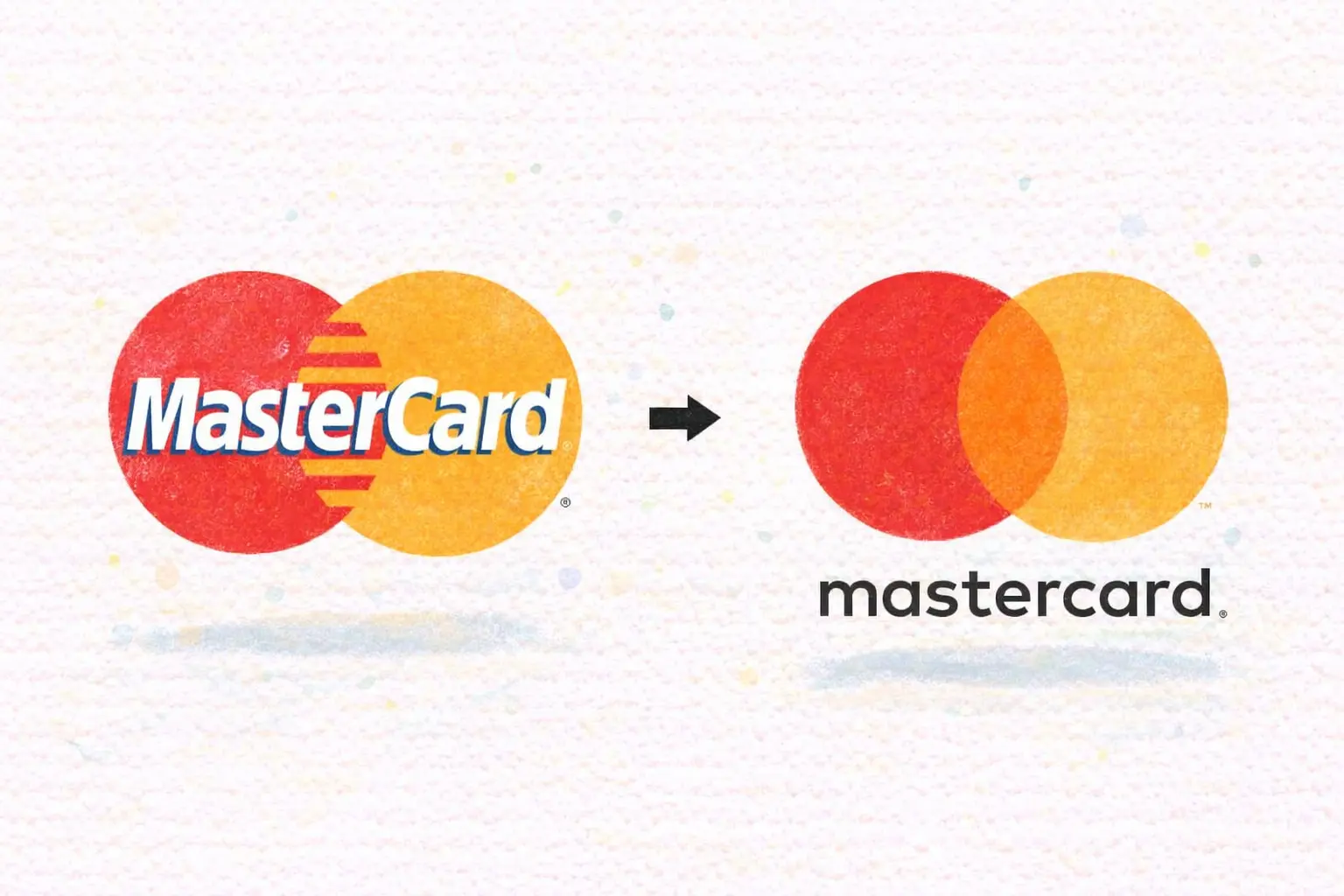 The image is for illustrative purposes only – Align AI
Starbucks is another strong example. On its official brand history page, Starbucks explains that in 2011, for its 40th anniversary, it introduced a more contemporary version of its logo. One of the most notable changes was removing the company name and letting the siren symbol stand on its own. That was not a complete identity reset, it was a refined, confident update to a brand people already knew.
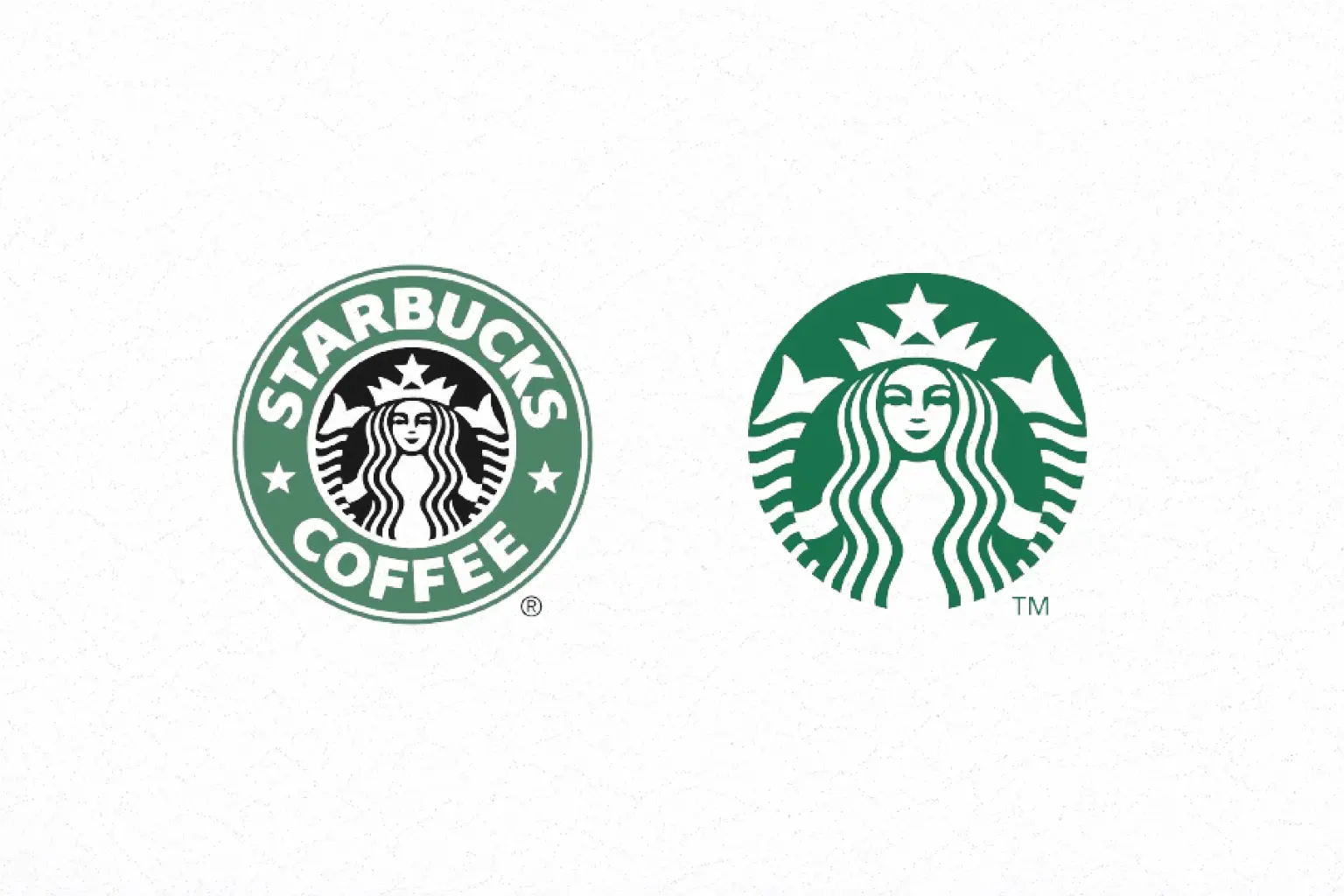 The image is for illustrative purposes only – Align AI
In other words, a brand refresh means that we are still the same brand, but we want to look better, clearer, and more useful.
2. Rebrand: a Complete Re-Positioning
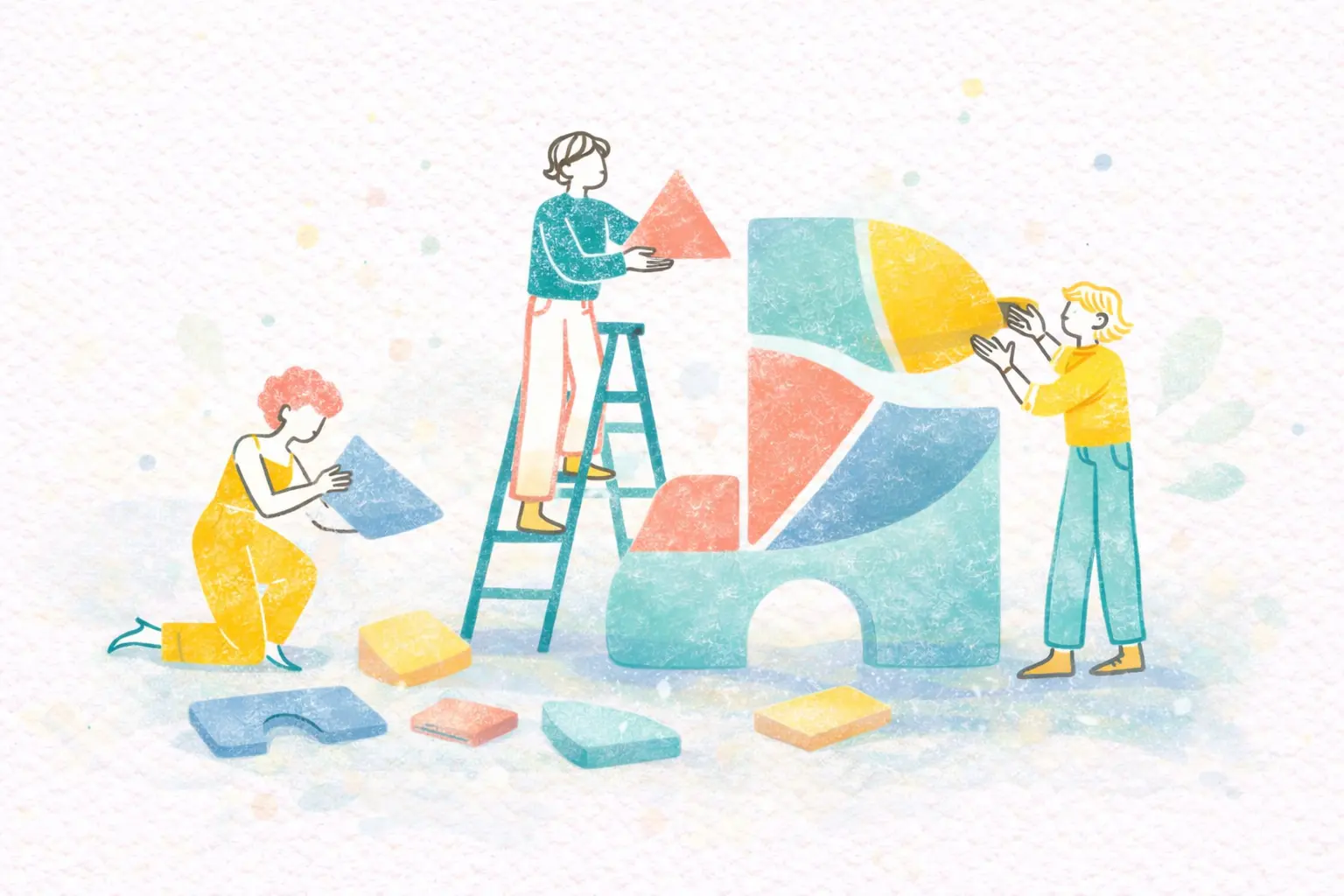
A rebrand is a revolution. It’s not just about changing the visuals. When a business changes so much that its old brand doesn’t tell the right story anymore, it needs to rebrand. If that’s the case, just improving the design isn’t enough. The business might need a new name, a new market position, a new message, or even a new identity.
A rebrand can mean changing the company’s look, new tone of voice, new brand strategy, and how it presents itself to the market. It is often linked to bigger changes, like moving into a new industry, going after a different audience, merging with another company, getting over old ideas, or changing the overall direction of the business.
The best thing about rebranding is that it lets the business change how people see it. Not only does it help the company get its image in line with where it is going, but also with where it started.
A clear example is Meta. In 2021, Facebook announced that its parent company would become Meta, bringing its apps and technologies under a new company brand. The announcement was tied to a broader vision focused on the metaverse and future digital experiences. This was not a simple design update. It was a strategic repositioning meant to signal a larger shift in identity and direction.
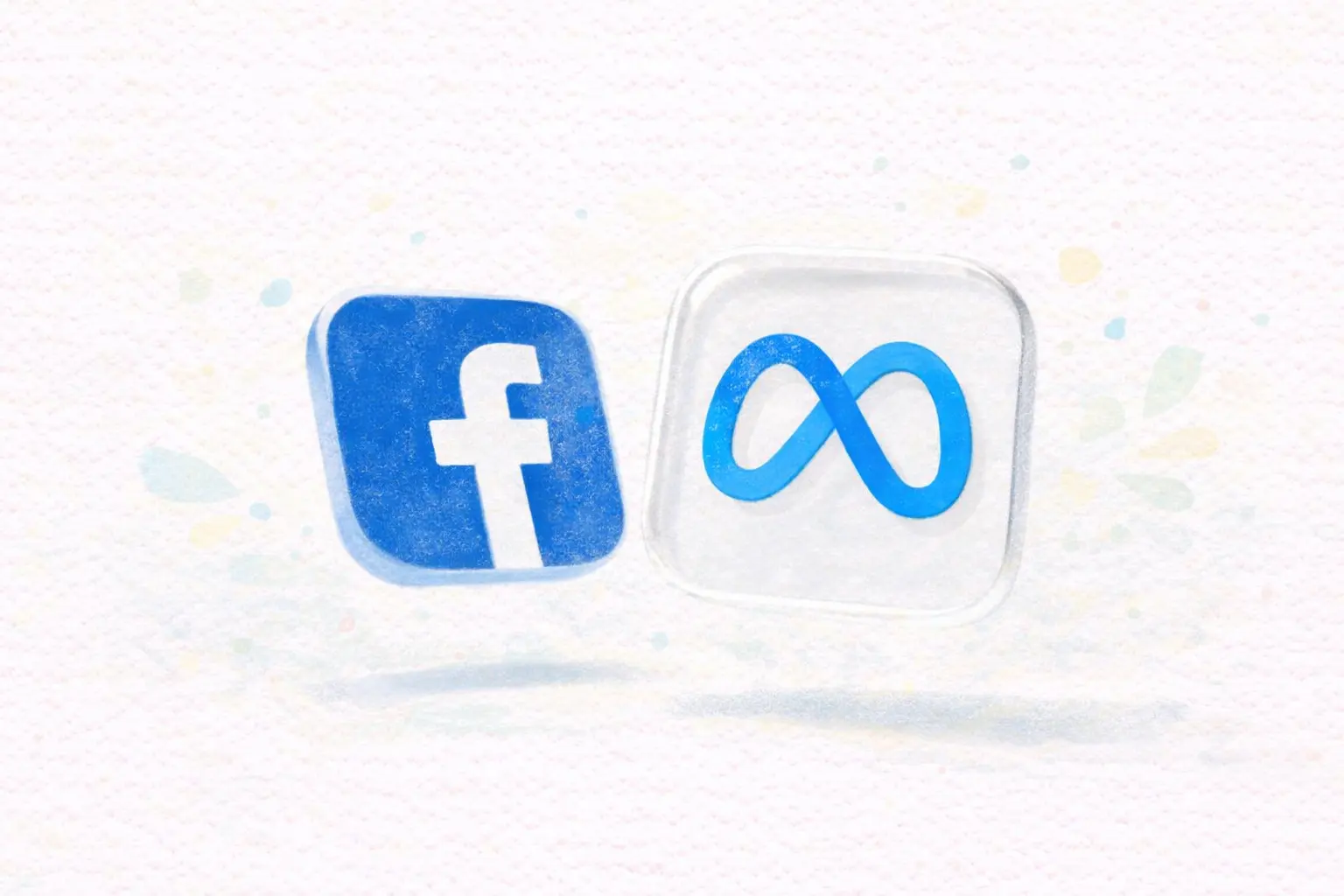 The image is for illustrative purposes only – Align AI
You can also think of Airbnb as a commonly discussed example in branding conversations, because its transformation was treated as more than a logo change. But the important idea is this: a rebrand is for moments when the business itself needs to be understood differently.
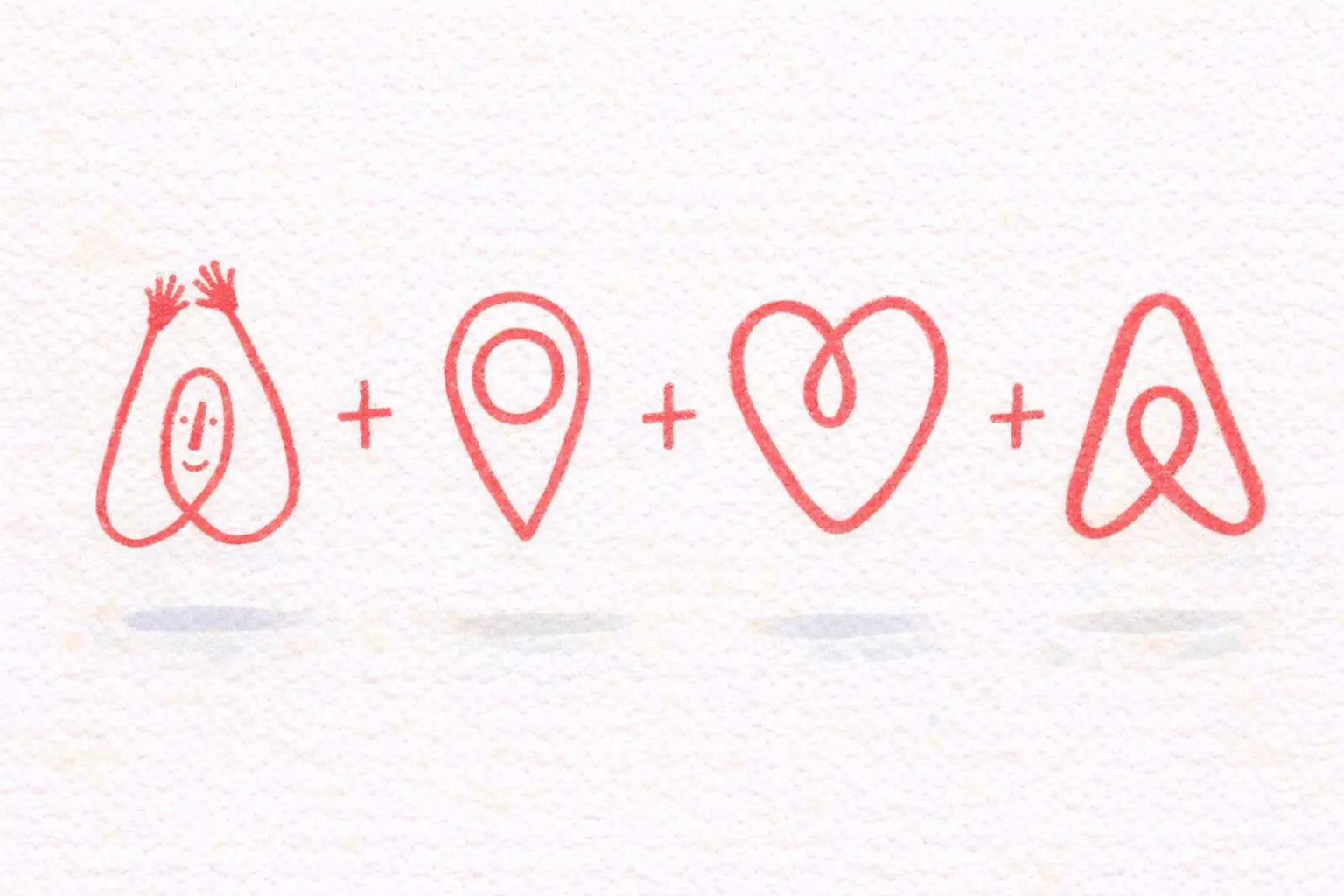 The image is for illustrative purposes only – Align AI
A rebrand means that we are not only changing our appearance, but also how we want the market to see us.
| Aspect | Brand Refresh | Rebrand |
|---|---|---|
| Core idea | Evolution | Revolution |
| Main purpose | Modernize your look | Re-position the business |
| Scope of change | Visual and messaging refinements | Strategic and identity-level transformation |
| What usually changes | Logo tweaks, colors, typography, visual consistency, website polish | Brand strategy, messaging, identity, positioning, sometimes name |
| What stays the same | Core brand recognition | Sometimes only limited brand equity remains |
| Best for | Strong brands that feel dated | Businesses going through major change |
| Timeline and investment | Usually faster and lighter | Usually longer and more complex |
When to Think About a Brand Refresh or Rebrand?
So, what is broken will help you decide what to do. If your business is strong but the way it looks doesn’t match the quality of your work, a brand refresh makes sense. Your logo might look old. Your website might not look the same all the time. It’s possible that you made your marketing materials over a number of years and they don’t seem to go together anymore. In these situations, your audience might still trust you, but your brand might not be making the best first impression.
When it’s time to do a brand refresh, it’s usually the right thing to do:
Here’s a list of what high-quality responsive web design services include.
-
Your visuals look old next to those of your competitors.
-
Your brand doesn’t seem to be the same on all platforms.
-
Your business has grown, but your identity hasn’t kept up.
-
Your audience still knows and trusts your brand.
-
You want to update things without losing loyal customers.
If the problem goes deeper than design, a rebrand is the best way to go. Your company may have changed its services, moved into a new market, merged with another business, or outgrown its original position. Sometimes the old brand tells the wrong story. It can sometimes stop growth. And sometimes it brings along things you don’t want to keep anymore.
When a rebrand is the right thing to do:
-
Your business model has changed a lot
-
You are aiming at a different group of people.
-
Your current brand doesn’t show your values or vision anymore.
-
You need to get rid of old ideas.
-
Your name, position, or promise no longer works for the business.
-
Picking the wrong way to go is the real danger.
If your business needs a rebrand but you only want to refresh the brand, you might just be “decorating the problem” instead of fixing it. Your business may look better, but customers may still not understand what you do or why you matter.
So how do you pick the right one?
Begin with a simple internal audit:
-
Is the problem mostly with how things look, or is it more about strategy?
-
Do your customers still know and trust your brand?
-
Has your business changed so much that your current identity doesn’t fit anymore?
-
Are you trying to change the way people see you or make things more modern?
-
Do you need a whole new story or just a sharper consistency?
If the foundation is strong, go with a brand refresh. If the foundation no longer fits the business, a rebrand is likely the smarter move.
Wanna Brand Refresh vs Rebrand? Align.vn Will Help You

The most important thing is to make the decision with strategy, not guesswork, whether your business needs a small change or a big one. Align can help with that. Branding at Align isn’t just about making things look better. It’s about making sure that your business, your audience, and the way your brand is seen in the world are all on the same page. That can mean improving things that are already working. Sometimes it means starting over with the brand from scratch.
Align can help you modernize your brand, make sure that your messaging is clear across all platforms, and make your digital experience more polished without losing the trust you’ve already built. Additionally, we can help you clarify your positioning, change your identity, and build a stronger foundation that better reflects the next stage of your business’s growth if you need to rebrand.
Change for the sake of change is not the goal. The goal is to make sure your brand fits with the direction your business is going.
Final Thought
The talk about brand refresh vs. rebrand is really about knowing how much your business really needs to change. If your brand still reflects who you are, but the presentation feels dated or disconnected, a brand refresh may be the right solution. It helps you stay relevant, improve consistency, and modernize without losing valuable brand recognition.
If your business has changed so much that your current identity no longer fits, a rebrand may be the better move. It gives you the chance to reset perception, tell a stronger story, and build a brand that matches your future, not just your past.
The smartest choice isn’t always the most exciting one. It is the one that makes the right amount of change for your business. People can feel the difference right away when that choice is made well.