Futurism graphic design, which started in the early 1900s, still has an effect on modern design because of its bold, dynamic, and cutting-edge styles. This design style is part of the larger Futurism art movement that Italian poet Filippo Tommaso Marinetti started in 1909. It celebrates technology, speed, and modernity. The principles of this movement can still be seen in many areas today, showing a constant desire to break away from the norm and try new things. This article goes into detail about the core ideas behind Futurism graphic design, its history, and the many ways it can be used.
What is Futurism Graphic Design?
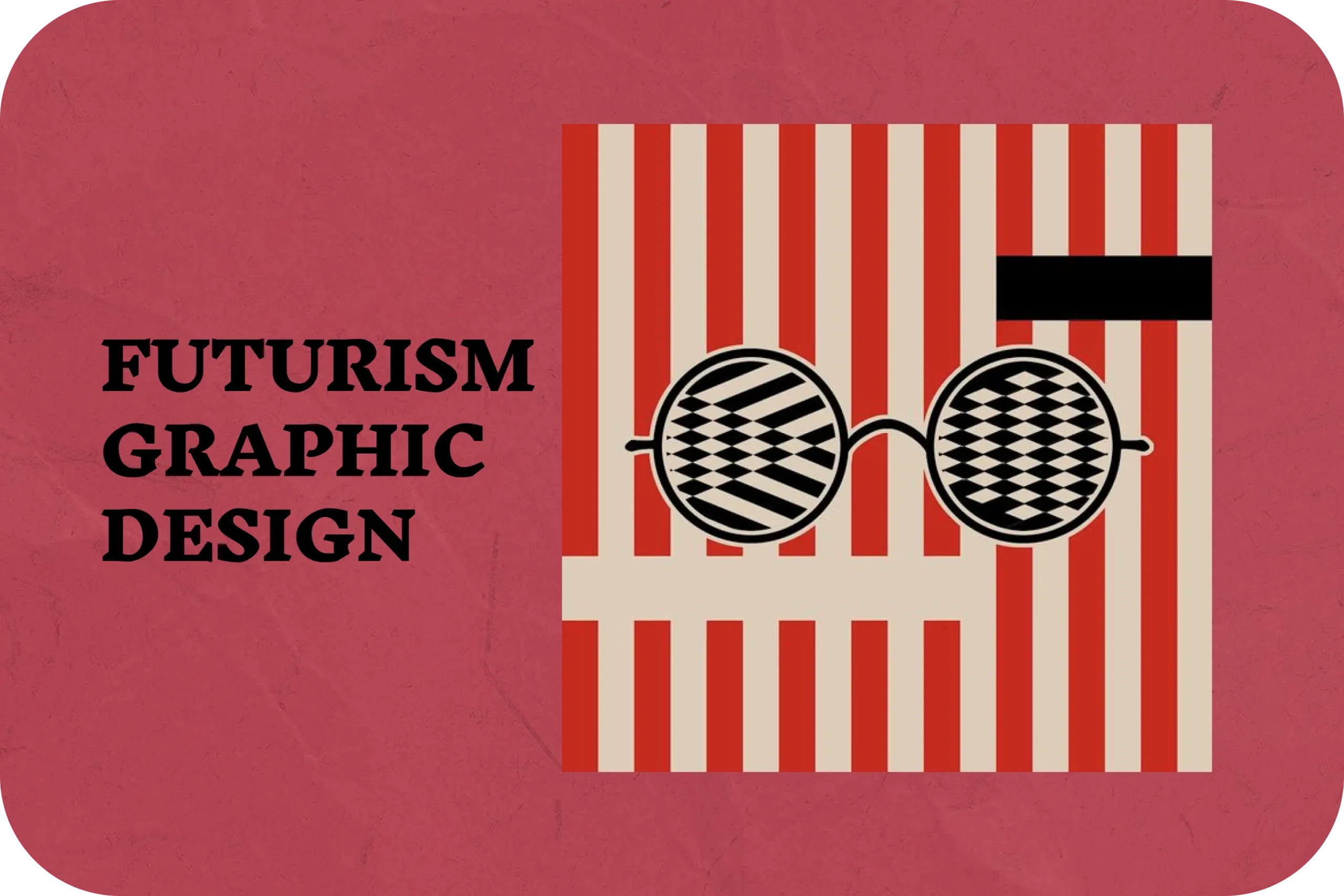
Futurism graphic design is all about the future, movement, and not looking back. It uses things like geometric shapes, sharp lines, and bright colours to give the impression of movement and energy. This design philosophy comes from the larger Futurism movement, which tried to capture the spirit of the industrial age and the rapid technological progress of the early 1900s.
Key elements of Futurism graphic design include:
– Bold Colors: Bright colours that often clashed were used to make things feel exciting and full of energy.
– Dynamic Typography: The typefaces were often experimental, with letters that looked like they were moving or breaking apart to suggest speed.
– Geometric Shapes: Abstract compositions that gave a sense of modernity and dynamism were made using simple, geometric shapes.
– Representation of Movement: Lines, curves, and shapes that overlap were used to suggest speed and motion, making it hard to tell the difference between still and moving images.

The Museum of Modern Art (MoMA) has a lot of information about the history and ideas behind Futurism, as well as how it affected different types of art.
The Versatile Influence of Futurism Graphic Design
Futurism has had an impact on more than just art; it has also affected graphic design in the real world. Its modern and forward-thinking style has been used in many different types of design, from traditional ones like posters and book covers to more modern ones like user interfaces and packaging.
1. Poster Design:
Futurism has had a big impact on how posters are made today. This style is known for its use of bold type, dynamic layouts, and bright colour schemes. People often use these things to make posters that grab attention and make people feel like they need to act quickly. Futurist aesthetics are often used in movie, concert, and political campaign posters to get people’s attention and send a strong message quickly. The text that is layered, the diagonal lines, and the sharp contrasts all work together to make you feel like things are moving quickly and making progress.

Image Source: https://www.moma.org/collection/works/6273
2. Book and Magazine Design:
The layout of books and magazines often utilizes Futurist principles to create engaging and visually stimulating content. Asymmetrical grids, experimental typography, and unconventional use of space are common features that draw the reader’s eye and maintain interest. For instance, spreads that break away from traditional column layouts can create a dynamic reading experience. Futurist design in publications not only enhances visual appeal but also aligns the content with the forward-thinking nature of the subjects often discussed in these media.

Image Source: https://www.pixartprinting.co.uk/blog/futurism-book-objects/
3. Logo Design:
Futurist ideas are often used in the layout of books and magazines to make content that is interesting and visually appealing. Asymmetrical grids, experimental fonts, and unusual use of space are all things that catch the reader’s eye and keep them interested. For example, spreads that don’t follow the usual column layout can make reading more interesting. Futuristic design in magazines and newspapers not only makes them look better, but it also makes the content fit with the forward-thinking topics that are often covered in these types of media.

4. Interface Design:
Futurism ideas are also used in digital interfaces. The focus on movement and speed works well in interactive design, where animations and transitions can make the user experience feel both cutting-edge and natural. Futuristic interfaces often have sleek, simple designs with high contrast and moving parts that help users interact with them. For instance, a website or app might use parallax scrolling, loading animations that change, and other interactive features to make it feel more real and interesting.
5. Packaging Design:

Image Source: https://www.typeroom.eu/article/stranger-format-ode-retro-branding-our-vhs-memories
Packaging design that looks futuristic makes products stand out on store shelves. Using bright colours, bold shapes, and new materials all help create a futuristic look that draws in people who want modern and one-of-a-kind products. Futurist design principles can make everyday items into statement pieces by changing the way they are packaged. For example, perfume bottles, tech gadgets, and even food packaging can have sleek, angular lines and metallic finishes that show that the brand is ahead of the curve.
6. Futurist llustration
Futurist illustration often has abstract and geometric shapes, lines that move, and a sense of motion. These pictures can be used in many different ways, such as in ads or articles, to send a message of progress and new ideas. Futurist illustration’s visual language is known for being able to make people feel things and move. Illustrations could show futuristic cities, cutting-edge machines, or abstract representations of new technologies, all meant to inspire and hold the audience’s attention.

Image Source: https://www.pinterest.com/pin/1829656092917697/
Futurism: A Timeless Design Force
There is no doubt that futurism has had an effect on graphic design. Futurist designers made a visual language that still speaks to people today by putting innovation, speed, and the changing nature of modern life first. Futurism has influenced many areas of design, from posters to interfaces, and it has changed the way we see and interact with the world around us.
Futurism’s influence will probably only get stronger as technology gets better and our understanding of design grows. The movement’s focus on the future and experimentation fits perfectly with what modern design needs, making it a great source of inspiration for designers of all kinds.
We can learn more about the historical and cultural forces that have shaped graphic design by studying and appreciating Futurism. Also, we can make designs that are both visually interesting and useful for today’s audiences by using Futuristic ideas in our own work.